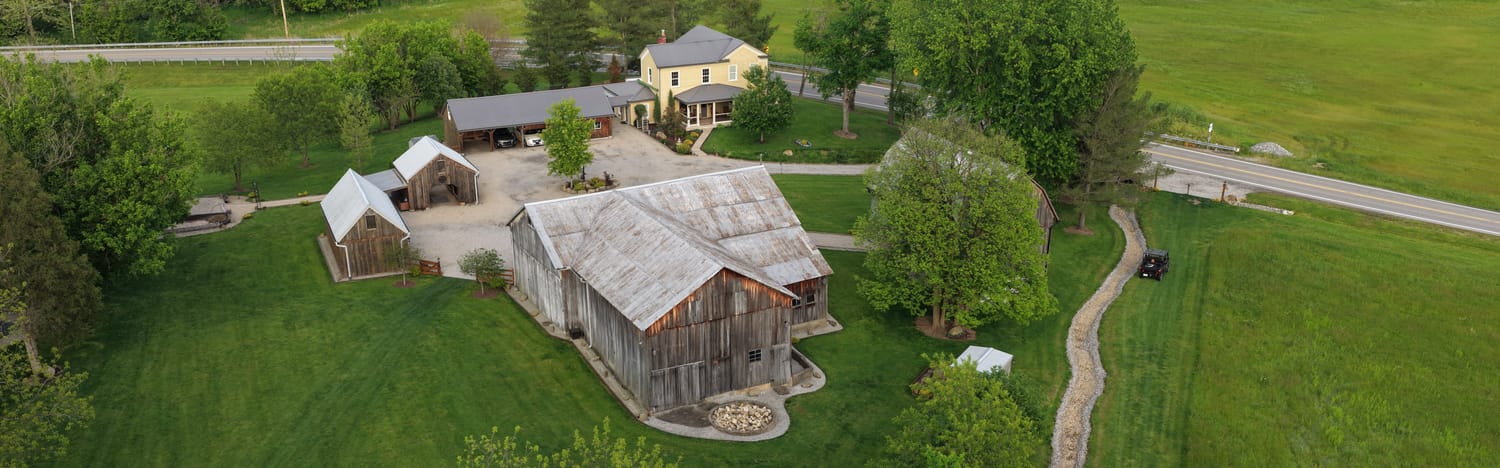
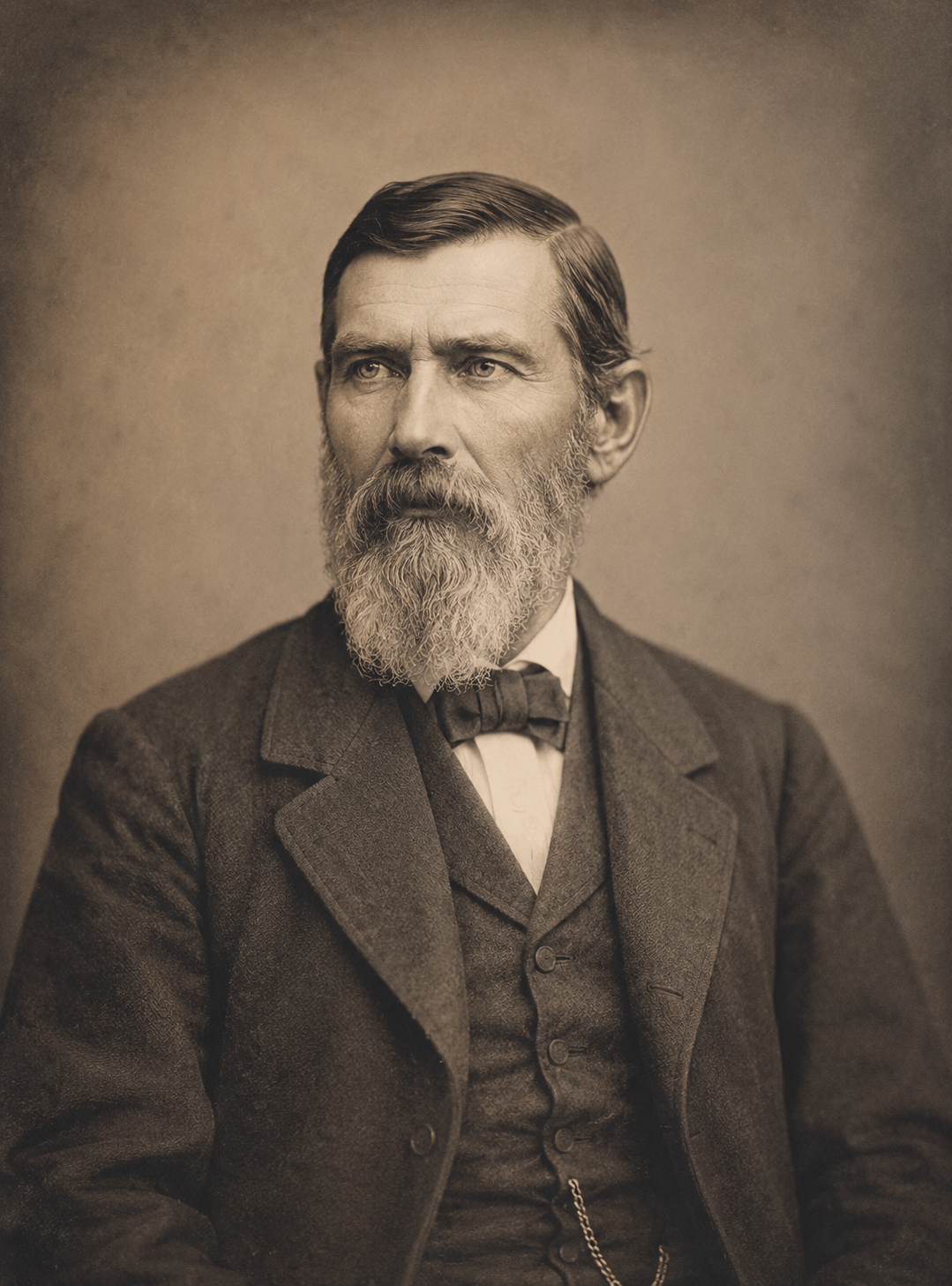
This image of John Henry was AI generated using a blend of two photos; one of his Son Charles Henry and one of Carlos Dalton.
Locust Valley Farm
1817 Homestead of John Henry
March 20, 1763 - February 27, 1854
Handy Links to Videos, Maps, Research and a Factual Working Story Line
In Progress as of May 30th
Time Line
From John Henry to Susan Lochary Garguillo
1763
BORN John Henry is born on March 20th in Derry County Ireland.
1787
Marries Rachel Henry
1788
Make reference to the Campus Martius event when General Rufus Putman begins the settlement of the Northwest Territory in Marietta. Also, look up what was happening in Ireland in 1788?
1788
DEPARTS IRELAND
John Henry leaves Ireland for Philly. He works on a farm in Chester County Pennslyvania right outside of Philly for three years. Then he returns to Ireland in 1791 with flaxseed, but the ship wrecks and the seed is lost to the ocean floor outside of Ireland.
Possible ships that sailed and wrecked in 1971 that he could of traveled on from Philly to Ireland were:
either HAPPY RETURN, a full rigger 250 tons Magilligan Point; inward bound from Philadelphia;.
or, BARCLAY rull rigged - 240 tons; in Derry River from PHiladelpia.
Ease of Travel from Ireland to Philadelphia in 1788
In 1788, traveling from Ireland to Philadelphia was possible but challenging, involving significant land travel, a long and often dangerous sea voyage, and limited comfort.
1. Land travel from Ireland to a port
Most emigrants from Ulster (Belfast, Londonderry, Newry, Larne, Portrush) had to travel by foot or horse to a port. Distances varied: from Mullingar to Dublin was about 81 km, while ports like Cobh or Rosslare were farther eustice.info. Poorer emigrants might walk or use cheaper transport, but most paid for passage. The Royal Canal (opened 1806) and later railways made travel easier in the 19th century, but in 1788, canals were still developing and railroads did not exist eustice.info.
2. Sea voyage to Philadelphia
Ships sailed from Irish ports to Philadelphia, New Castle, New York, or Charleston. Philadelphia was a major destination for Ulster-Scots emigrants, with many vessels advertised to sail there Derry Journal+1. The Atlantic crossing typically took 6–8 weeks in spring, summer, or autumn, depending on weather and ship quality Ulster-Scots Agency+1. Winter crossings were rare and risky. Conditions could be cramped, with passengers often confined below deck for long periods, leading to illness and high child mortality Ulster-Scots Agency+1. While some voyages were relatively smooth, storms, poor food, and disease could be deadly.
3. Ease and risks
For those with the means, the journey was feasible and part of a well-established transatlantic trade network. Family connections and the linen trade between Derry and Philadelphia made Philadelphia a common arrival point Genealogical.com. However, the trip was not easy—it was physically taxing, financially costly (passage often £3–£9), and carried health risks. Many emigrants went as indentured servants to pay their fare Discover Ulster-Scots.
Summary
In 1788, it was possible to travel from Ireland to Philadelphia, but it required careful planning, often involved long and uncomfortable sea travel, and carried significant health and financial risks. For most Ulster-Scots, it was a calculated risk for the chance of a better life in America.
year
Life Event
year
Life Event
year
Life Event
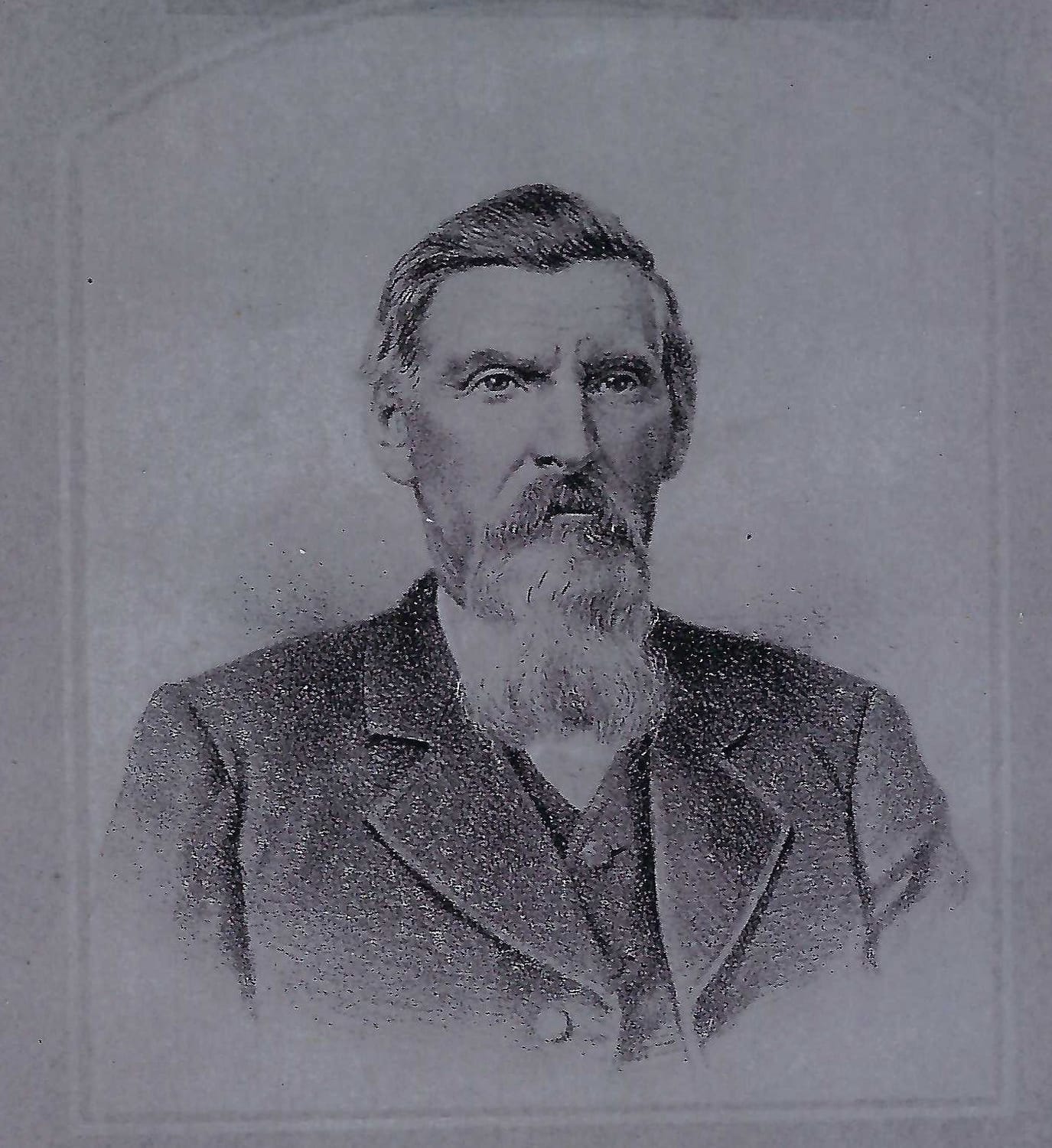
CHARLES HENRY
1821
Birth of CHARLES HENRY - April 18, 1821
year
Life Event
year
Life Event
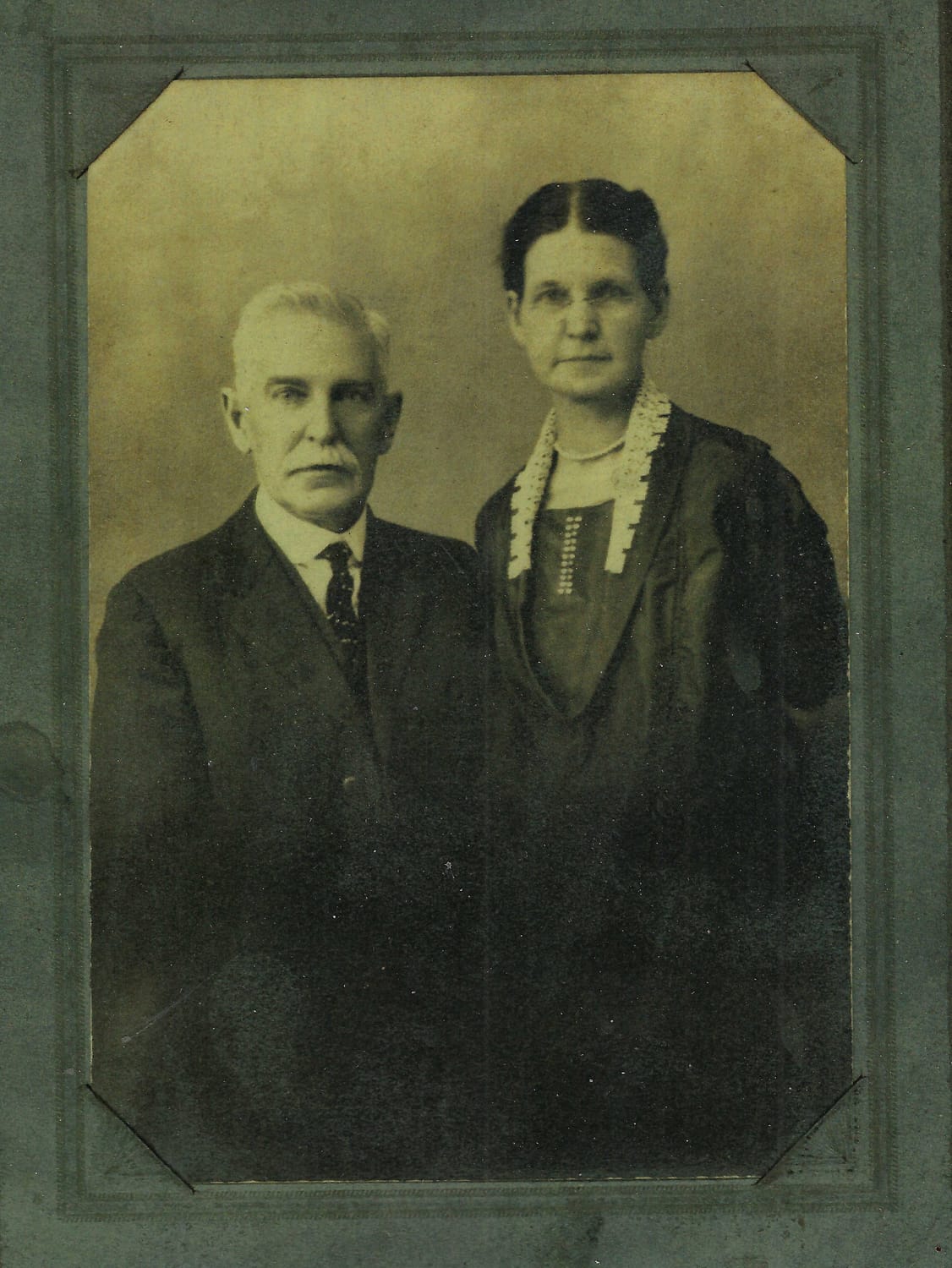
CARLOS DALTON
1859
Birth of CARLOS DALTON HENRY - December 22, 1859 - Died February 24 1965
year
Life Event
year
Life Event
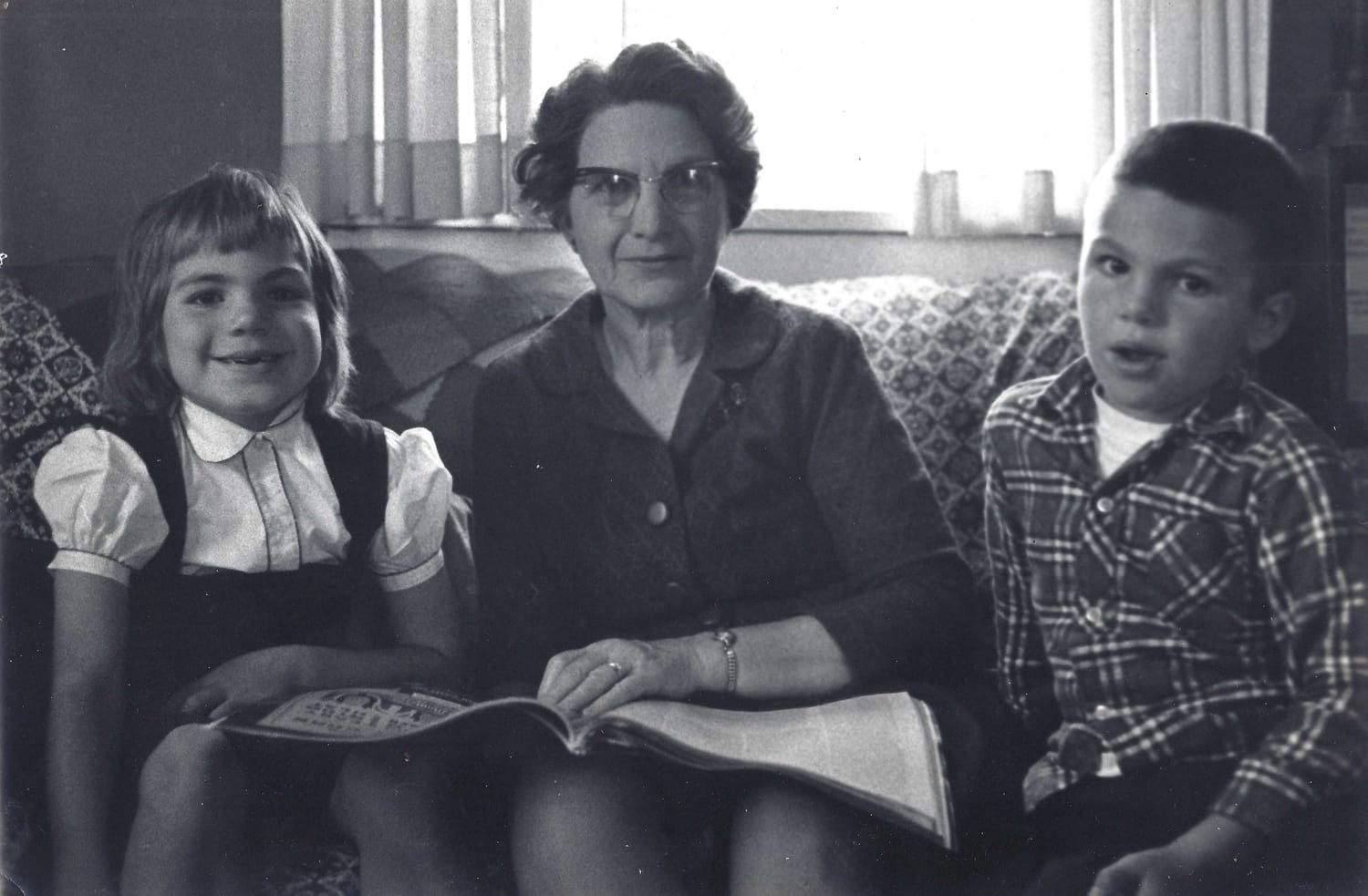
Clara E Henry Lochary
1899
Birth of Clara E. Henry
year
Life Event
year
Life Event
year
Life Event
year
Life Event
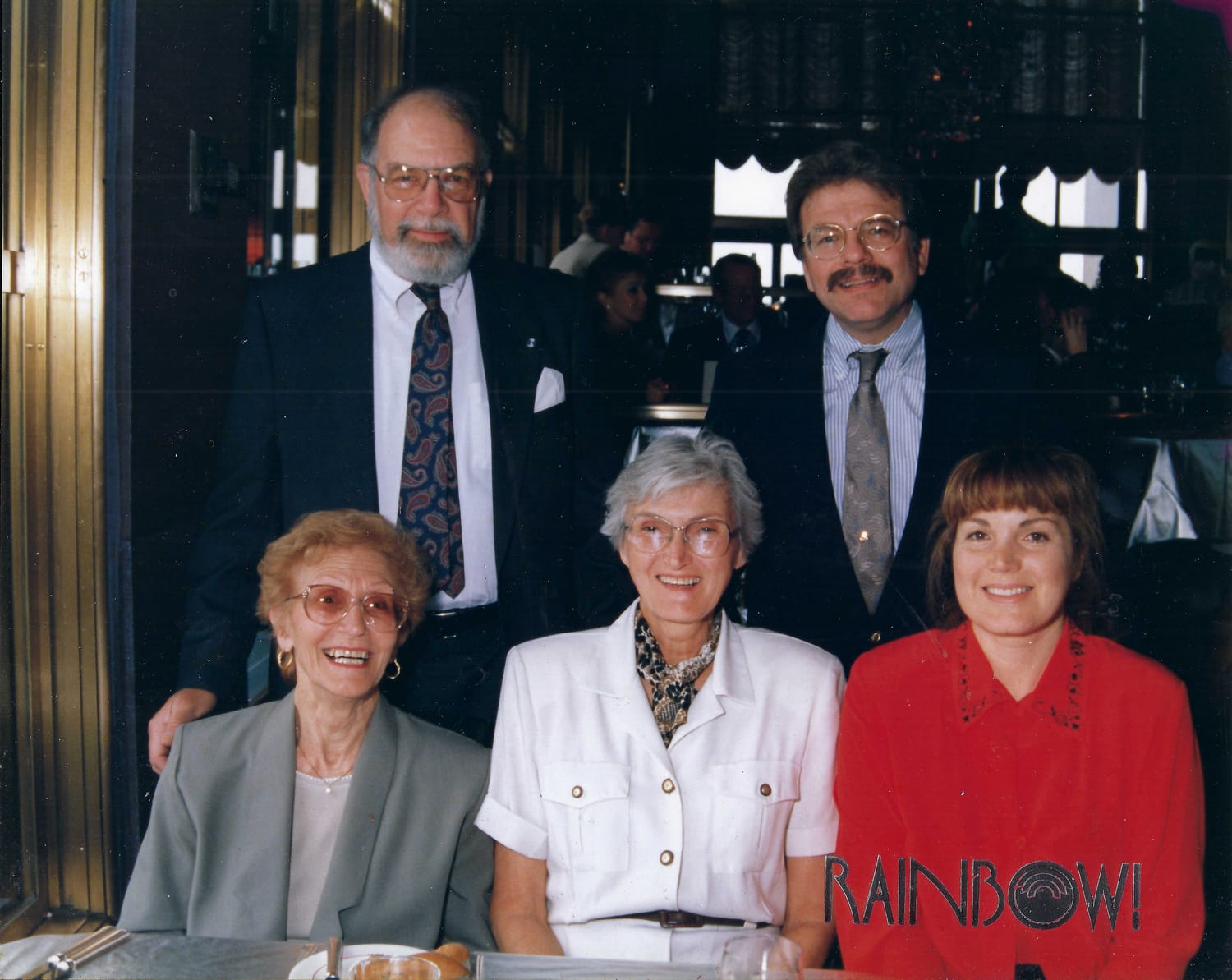
Life Event
1930
Birth of Jim Locary
year
Life Event
year
Life Event
year
Life Event

Susan Lochary Garguillo
1954
Life Event
year
Life Event

Welcome to These-Stars, a space where Numbers, Names and the Night Sky all get a seat at the Table.

Want the good stuff?
I send out updates when there's something worth sharing. No Spam. No Pressure. Just Synchronicity.